
Kyrgyzstan41.5000° N, 75.5000° EASIAsep 2025kyrgyzstan
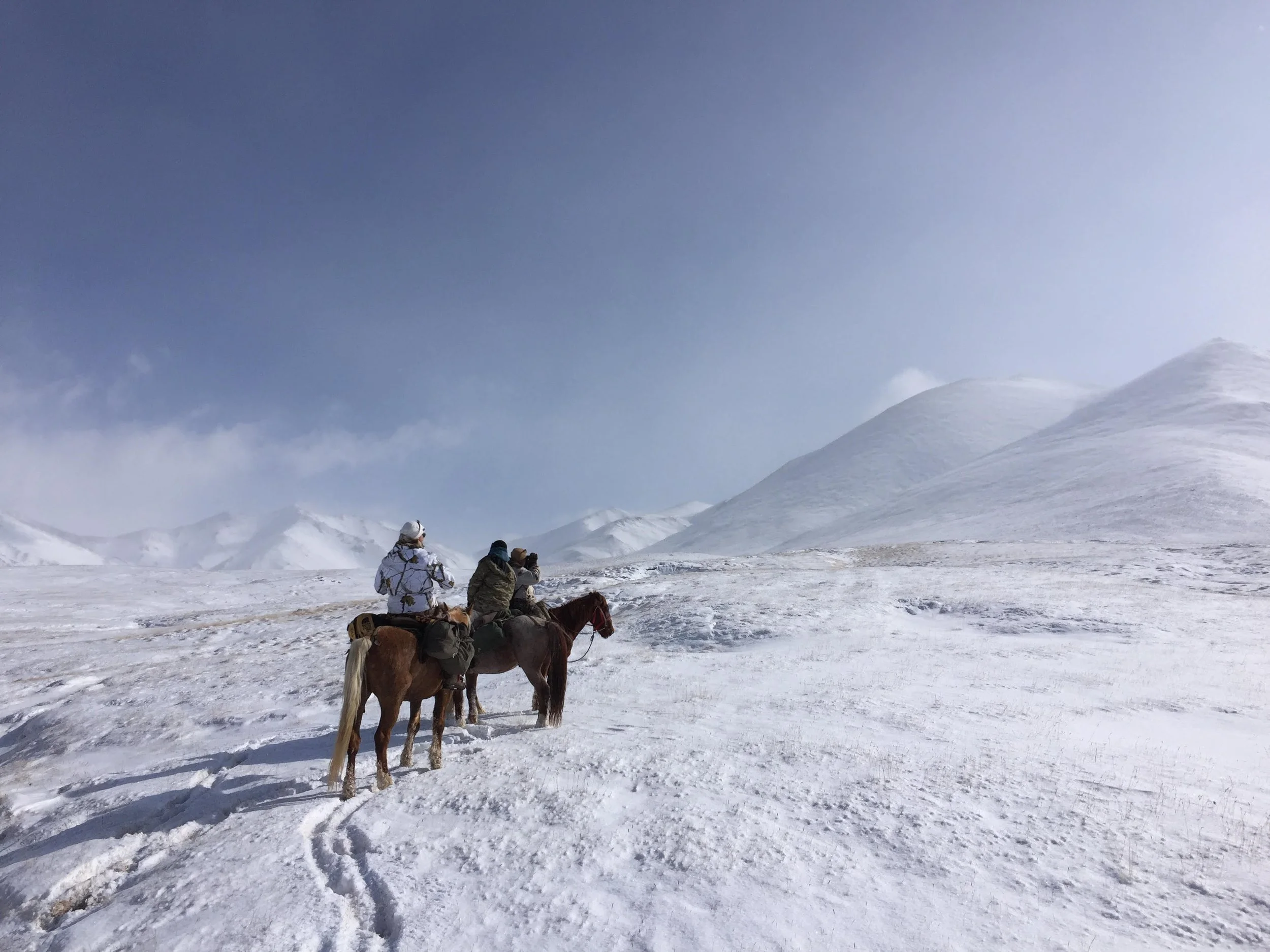
[ OVERVIEW ]In the mountains of Kyrgyzstan, travel slows down. Movement is dictated by terrain, weather and daylight rather than schedules.
Journeys take place on horseback, following narrow mountain paths into remote valleys where hunting has long been part of everyday life. Days are shaped by altitude and distance, evenings by simple routines and quiet surroundings.
This is a place for those who value simplicity, effort and time spent in nature — without unnecessary additions.
Experience Details
Trip Duration
7 to 12 days
Level of comfort
Comfort is simple and functional, focused on warmth, shelter and rest.
Travel is guided by local knowledge and long-established traditions.
Travel follows daylight, weather and terrain rather than fixed schedules.
A reasonable level of fitness is required. Days can be long, but the pace is steady.
Plans may change due to weather or conditions. Flexibility is essential.
Late summer to early autumn, typically August to October, offers the most stable conditions in the mountains. Snow has retreated from higher passes, and access on horseback is at its best.
Best time to travel
[ HIGHLIGHTS ]Hunting and travel across high mountain ground.
On horseback
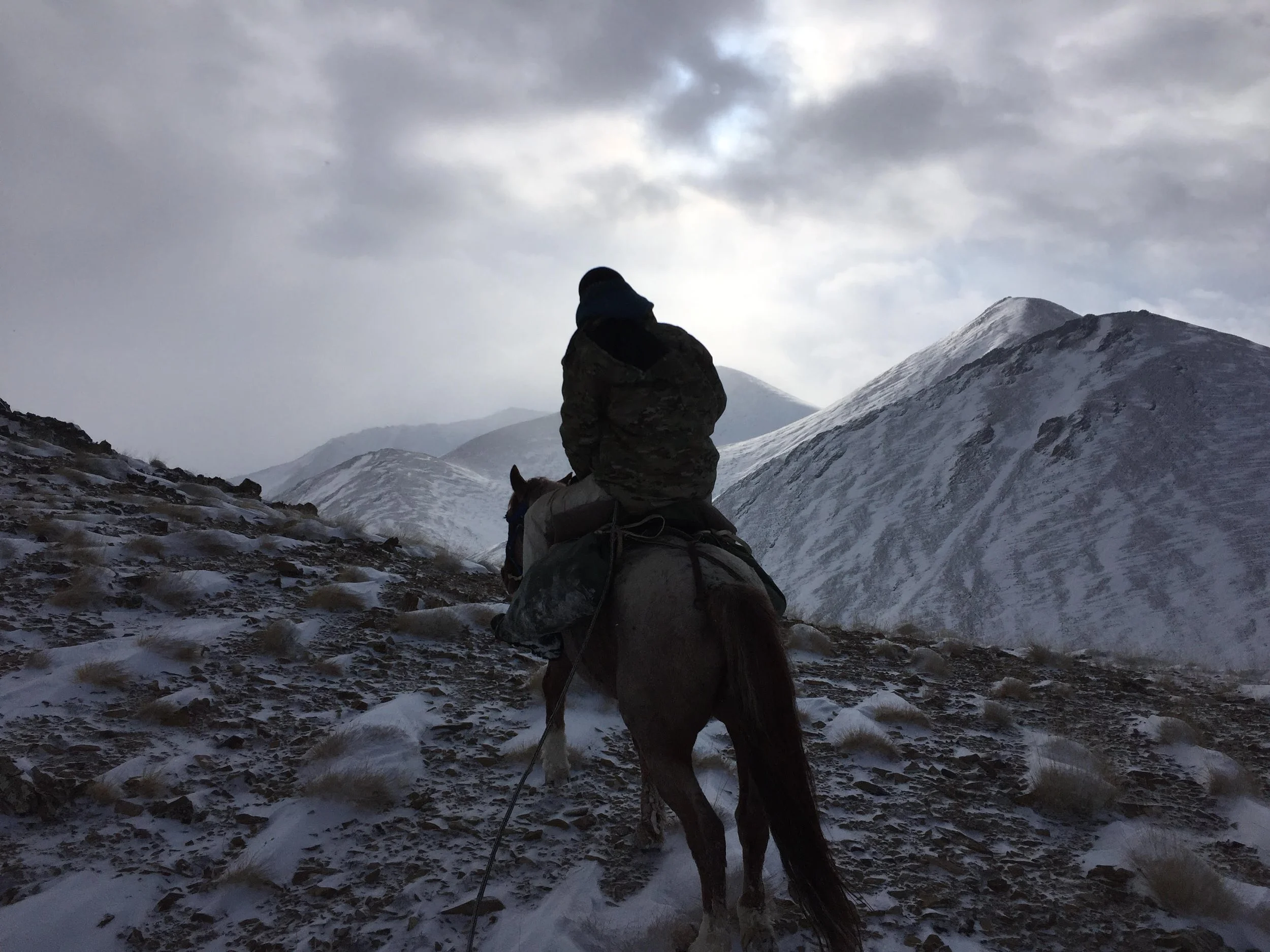
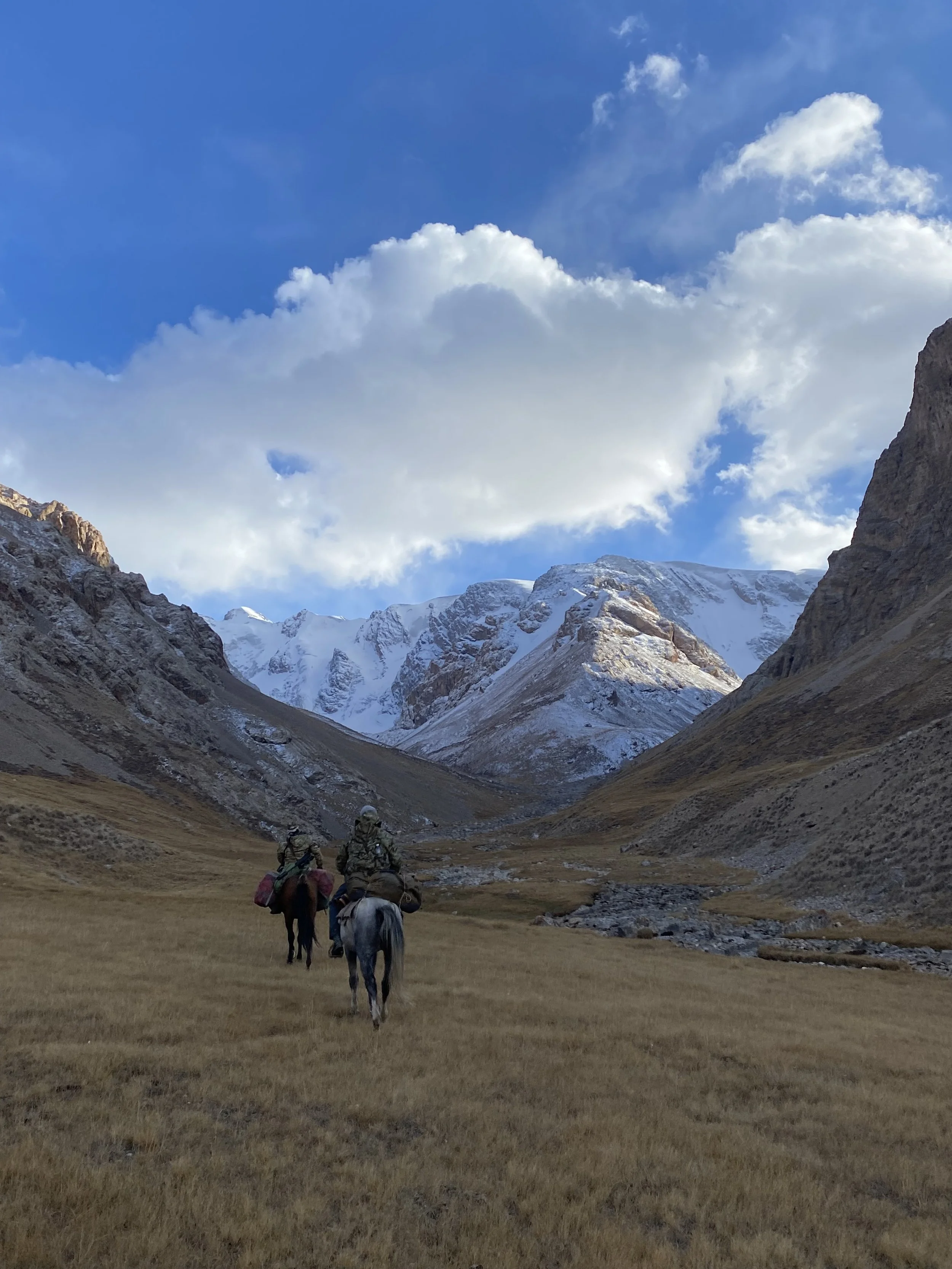
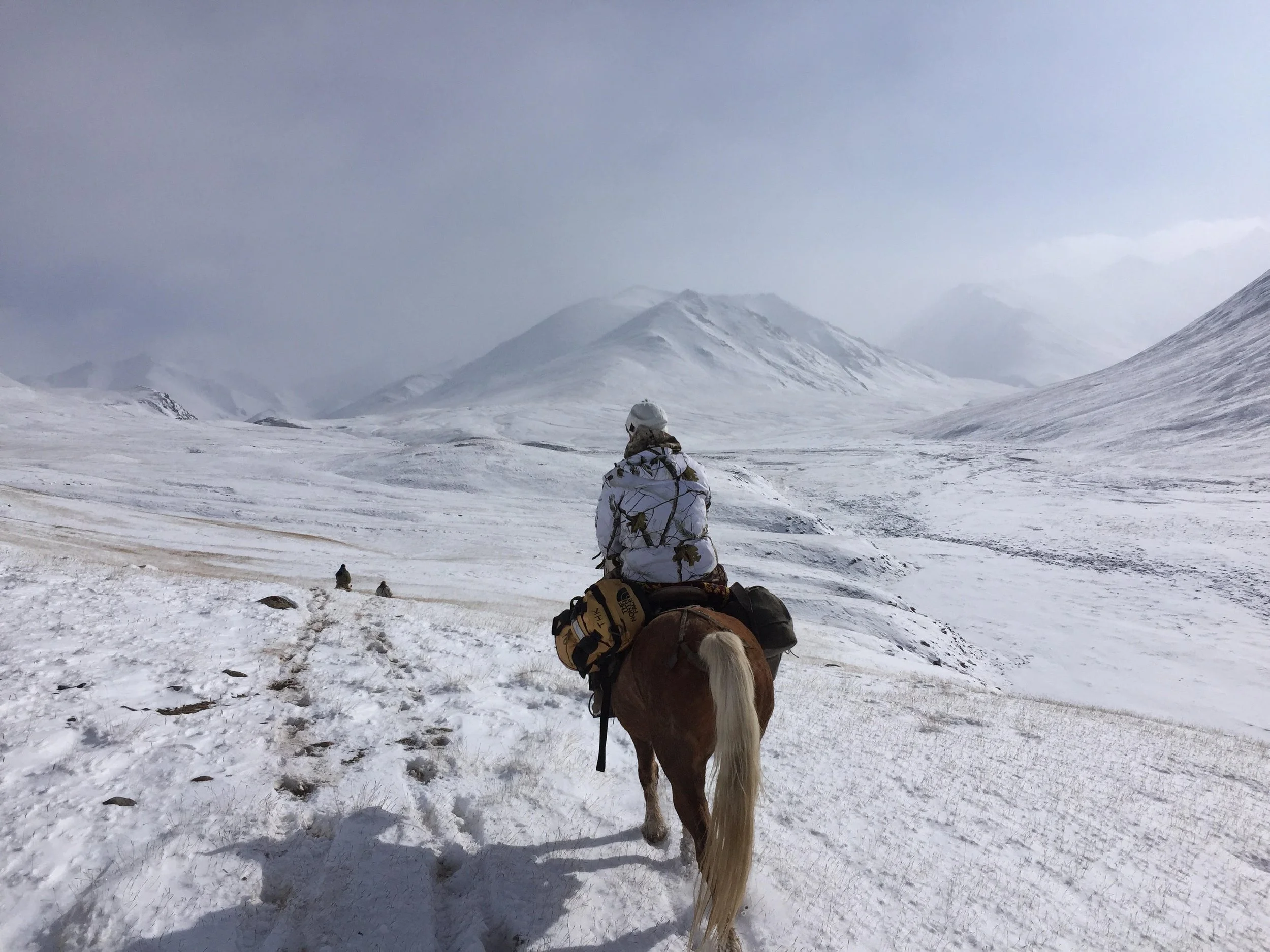
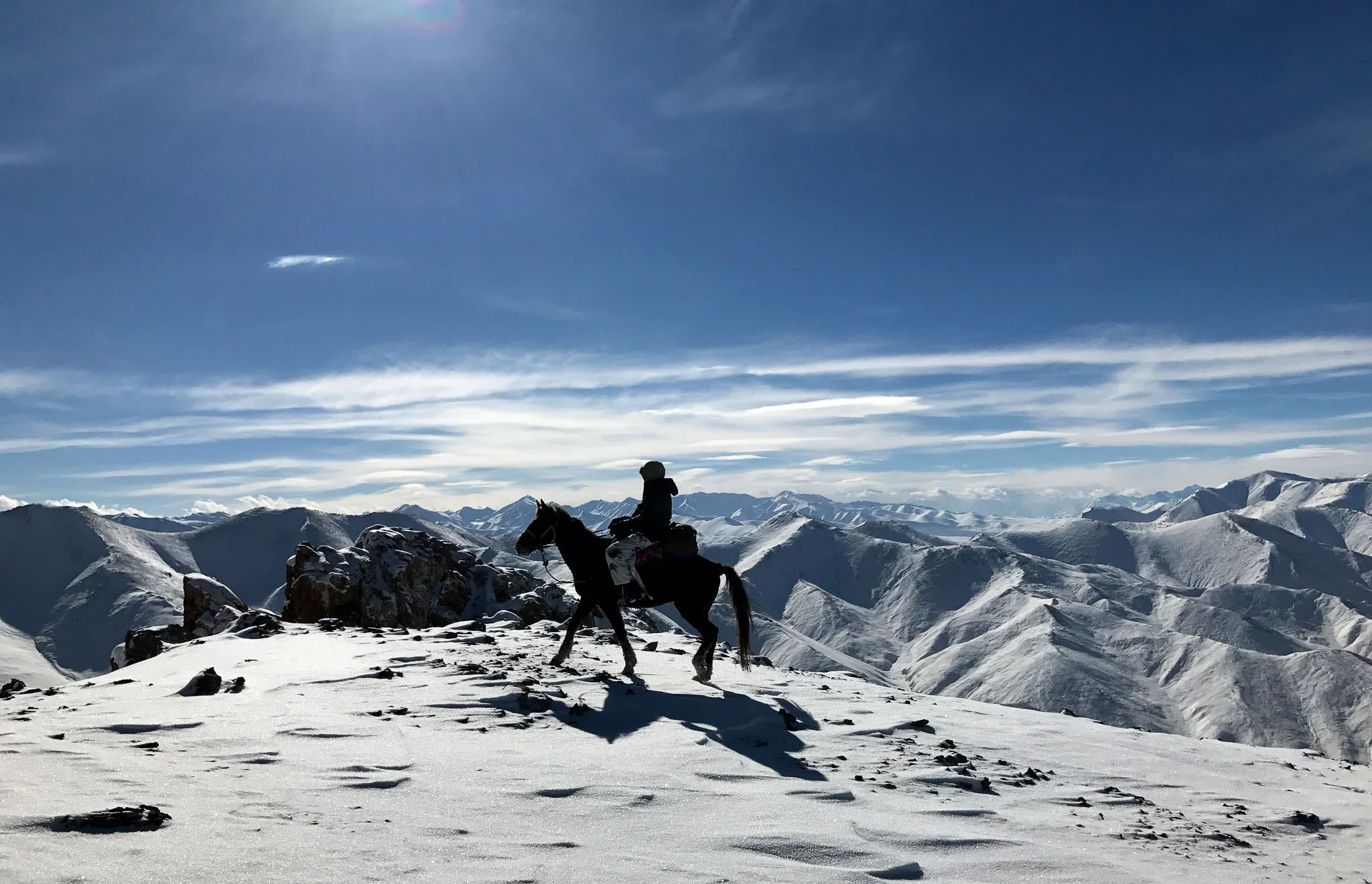
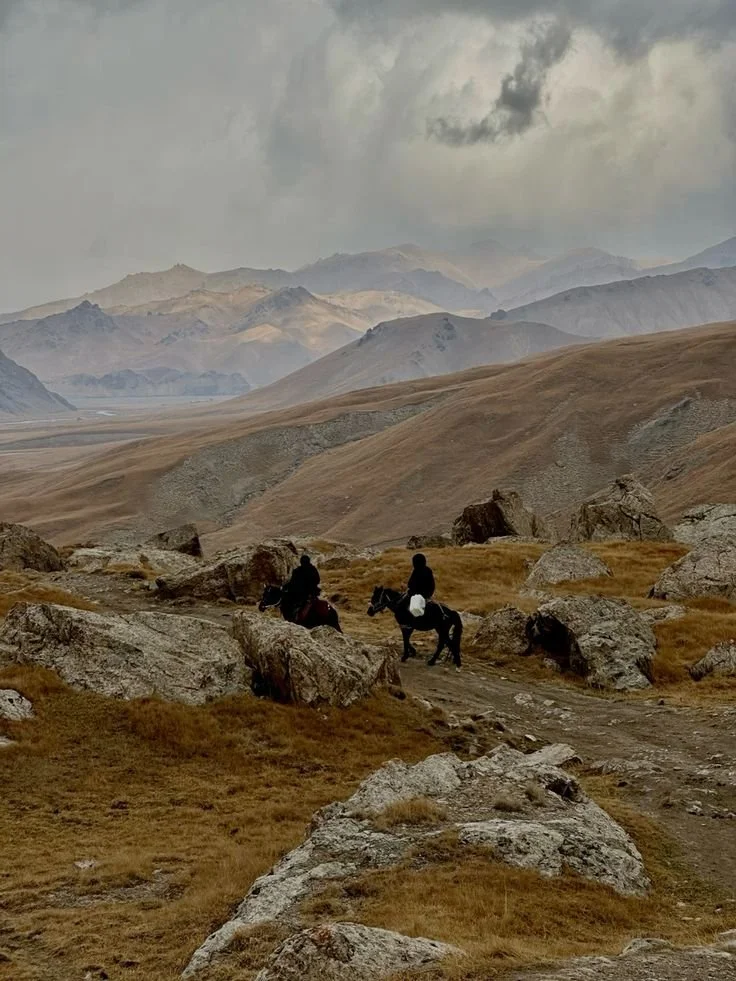
Moving through the mountains on horseback sets a natural pace. Paths are narrow, distances are felt, and the landscape unfolds slowly. Horses remain the most practical and respectful way to travel in this terrain, following routes that have been used for generations. The rhythm is quiet and deliberate, shaped by the land rather than by time. Riding here is not a feature — it is simply how one moves through the mountains.
Food is simple and often basic. Meals are prepared with limited resources, and canned goods are commonly used. The focus is not on variety or presentation, but on nourishment and warmth after long days in the mountains. Tea and water are staples, shared in quiet surroundings. This is functional food, suited to the terrain and the pace of travel.
Sustenance
Local life
Life in the mountains follows long-established routines. Days are shaped by weather, livestock and movement through the terrain. Traditions are practical rather than ceremonial, passed down through use rather than explanation. Visitors are guests in a way of life that continues, whether observed or briefly shared.
Lodging
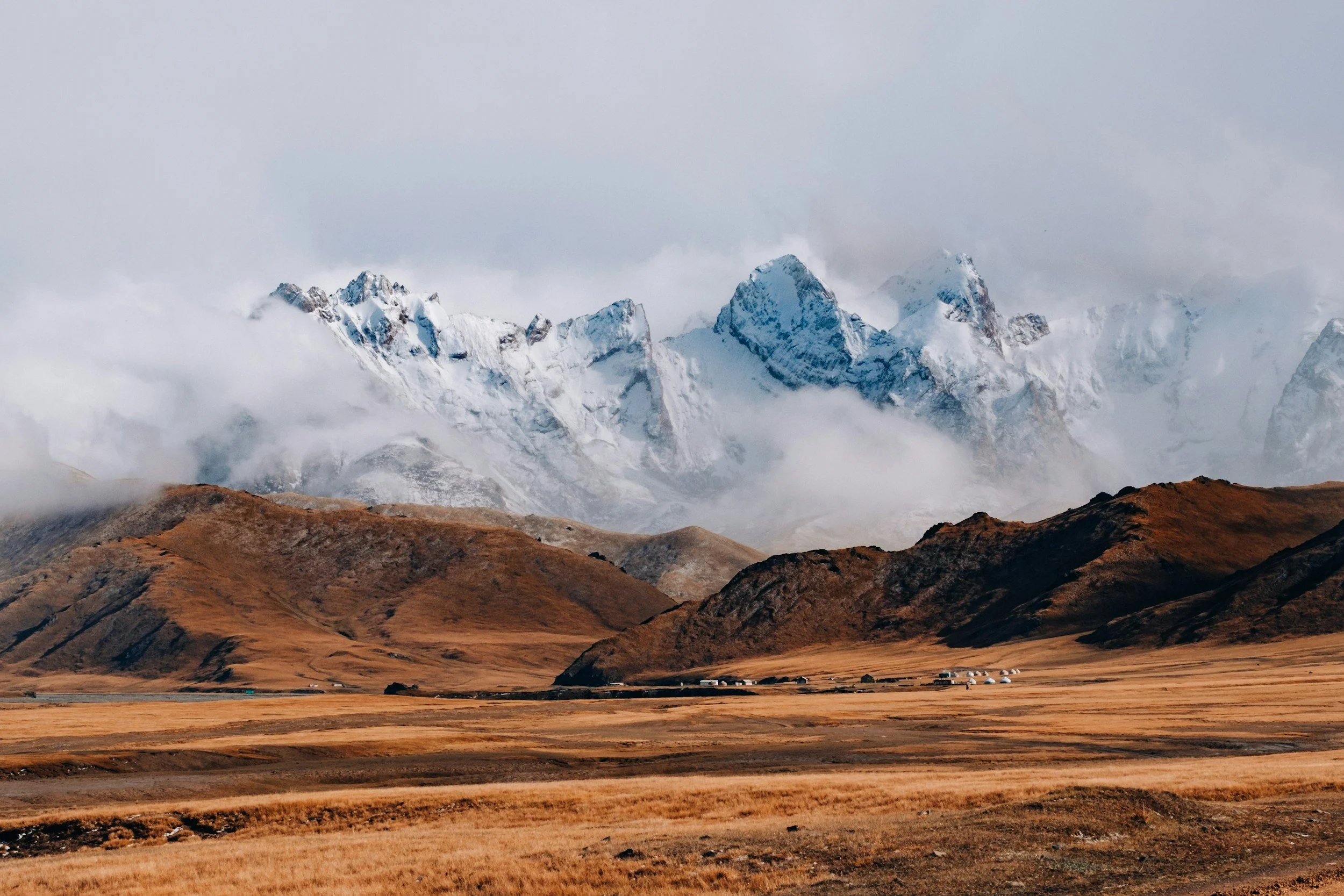
Accommodation is simple and practical. When travelling in the mountains, nights are typically spent in tents. In base camp, guests stay in basic wooden cabins.Facilities are limited and focused on shelter, warmth and rest. Comfort is defined by function rather than convenience.
Need to know
■
Travel is slow. Routes are flexible. Conditions change. Simplicity is part of the experience.
-
Routes may change depending on conditions, access and timing.
-
Daily distances vary and are determined by elevation and terrain rather than kilometres.
-
Travel takes place in remote areas with minimal facilities.
-
Supplies and equipment are carried and managed throughout the journey.
[ the journey ]